
Helping Students Explore Ocean Systems, Pollution, and Stewardship
SDG #14: Life Below Water - PBL Project Ideas for the Classroom
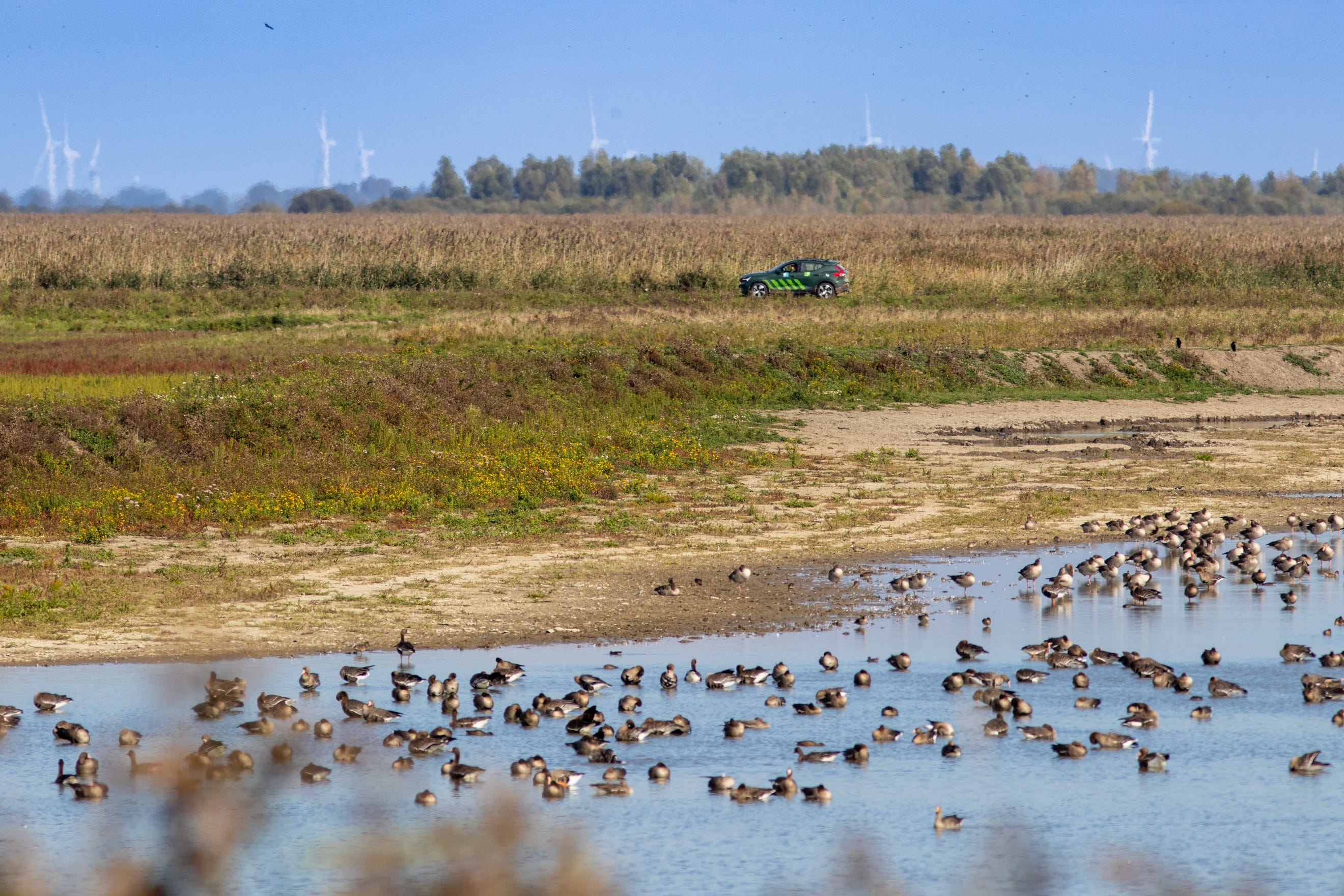
The ocean may seem distant to many students. Yet every student is connected to the ocean. Through rivers. Through watersheds. Through weather. Through food systems, and through the products they use every day.
One of the most powerful lessons students can learn is that local actions often have global consequences. A piece of litter dropped on a sidewalk. A storm drain carrying runoff after a rainstorm. A plastic bottle thrown away carelessly. These seemingly small actions can become part of larger environmental systems.
Project-Based Learning helps students investigate those connections while developing the habits of inquiry, collaboration, communication, and problem-solving that support both science and citizenship. The projects below invite students to become investigators, researchers, and stewards of the living systems that connect their communities to the sea.
Project 1: Following the Water
Driving Question
How is our community connected to the ocean?
Project Overview
Students investigate the journey water takes from their local community to larger rivers, estuaries, and eventually the ocean.
Teams explore:
· Local watersheds
· Stormwater systems
· Streams and rivers
· Runoff patterns
· Sources of pollution
Students create maps, models, and public presentations explaining how local actions can influence downstream ecosystems.
Suggested Timeline
3 weeks
Project Steps
1. Entry Event
Students examine watershed maps and trace local waterways.
2. Investigation
Teams:
· Identify local streams and drainage systems
· Map watershed connections
· Observe storm drains and runoff pathways
· Document potential pollution sources
3. Research
Students investigate:
· Watersheds
· Estuaries
· Ocean connections
· Water quality issues
4. Public Product
Students create:
· Watershed maps
· Community presentations
· Educational displays
· Digital story maps
Authentic Purpose
Students help others understand the connections between local actions and ocean health.
Project 2: The Microplastics Investigation
Driving Question
How do plastics move through the environment, and what can communities do to reduce pollution?
Project Overview
Students investigate plastic pollution and the growing concern about microplastics.
Teams explore:
· Sources of plastic waste
· Stormwater transport
· Consumer behavior
· Environmental impacts
· Possible solutions
Depending on grade level and available resources, students may conduct litter surveys, waste audits, or investigations of local waterways.
This project encourages students to think critically about the relationship between everyday choices and environmental systems.
Suggested Timeline
4 weeks
Project Steps
1. Entry Event
Students examine examples of marine debris and learn about microplastics.
2. Investigation
Teams:
· Conduct litter surveys
· Analyze waste streams
· Observe local waterways
· Document plastic use patterns
3. Research
Students investigate:
· Plastic production
· Microplastic formation
· Ecological impacts
· Emerging solutions
4. Solution Development
Students create:
· Public awareness campaigns
· Waste reduction proposals
· School recommendations
· Educational materials
5. Public Product
Students share findings with:
· School communities
· Local organizations
· Environmental groups
· Community leaders
Authentic Purpose
Students help increase awareness of one of the most significant environmental challenges facing marine ecosystems.
Project 3: Ocean Stewardship Through Citizen Science
Driving Question
How can students contribute to scientific understanding of ocean and watershed health?
Project Overview
Students participate in a citizen science project related to marine or aquatic ecosystems.
Possible topics include:
· Water quality monitoring
· Marine debris tracking
· Biodiversity observations
· Wildlife monitoring
· Watershed investigations
Students collect and contribute data while learning how scientific research supports environmental decision-making.
Suggested Timeline
4 weeks
Project Steps
1. Project Selection
Students explore available citizen science opportunities.
2. Training
Teams learn data collection protocols and scientific methods.
3. Field Investigation
Students gather observations and data.
4. Analysis
Teams examine patterns and interpret findings.
5. Public Product
Students create:
· Scientific posters
· Community presentations
· Reports
· Educational exhibits
Authentic Purpose
Students become contributors to scientific research rather than simply learners about science.
Possible Standards Alignment
NGSS
· Ecosystems
· Biodiversity
· Human impacts on Earth systems
· Scientific investigation
· Data analysis
· Engineering design
CCSS
· Research
· Informational writing
· Speaking and listening
· Data interpretation
· Evidence-based argumentation
Related SDGs
· SDG #6: Clean Water and Sanitation
· SDG #12: Responsible Consumption and Production
· SDG #13: Climate Action
· SDG #14: Life Below Water
· SDG #15: Life on Land
Helpful Resources for Teachers
· National Geographic Ocean Education Resources
Lessons, maps, videos, and classroom resources focused on ocean systems and conservation.
· SciStarter
Citizen science opportunities involving marine debris, biodiversity monitoring, water quality, and environmental research.
A Final Reflection
The ocean teaches one of the most important lessons in sustainability education. Everything is connected. A stream connects to a river. A river connects to an estuary. An estuary connects to the ocean. And human choices connect to them all.
Students who explore these relationships begin to see the world differently. A storm drain becomes part of a watershed. A piece of litter becomes part of a larger system. A local stream becomes connected to distant coastlines.
That awareness is more than scientific understanding. It is the beginning of stewardship. And stewardship may be one of the most important lessons schools can help students learn.